





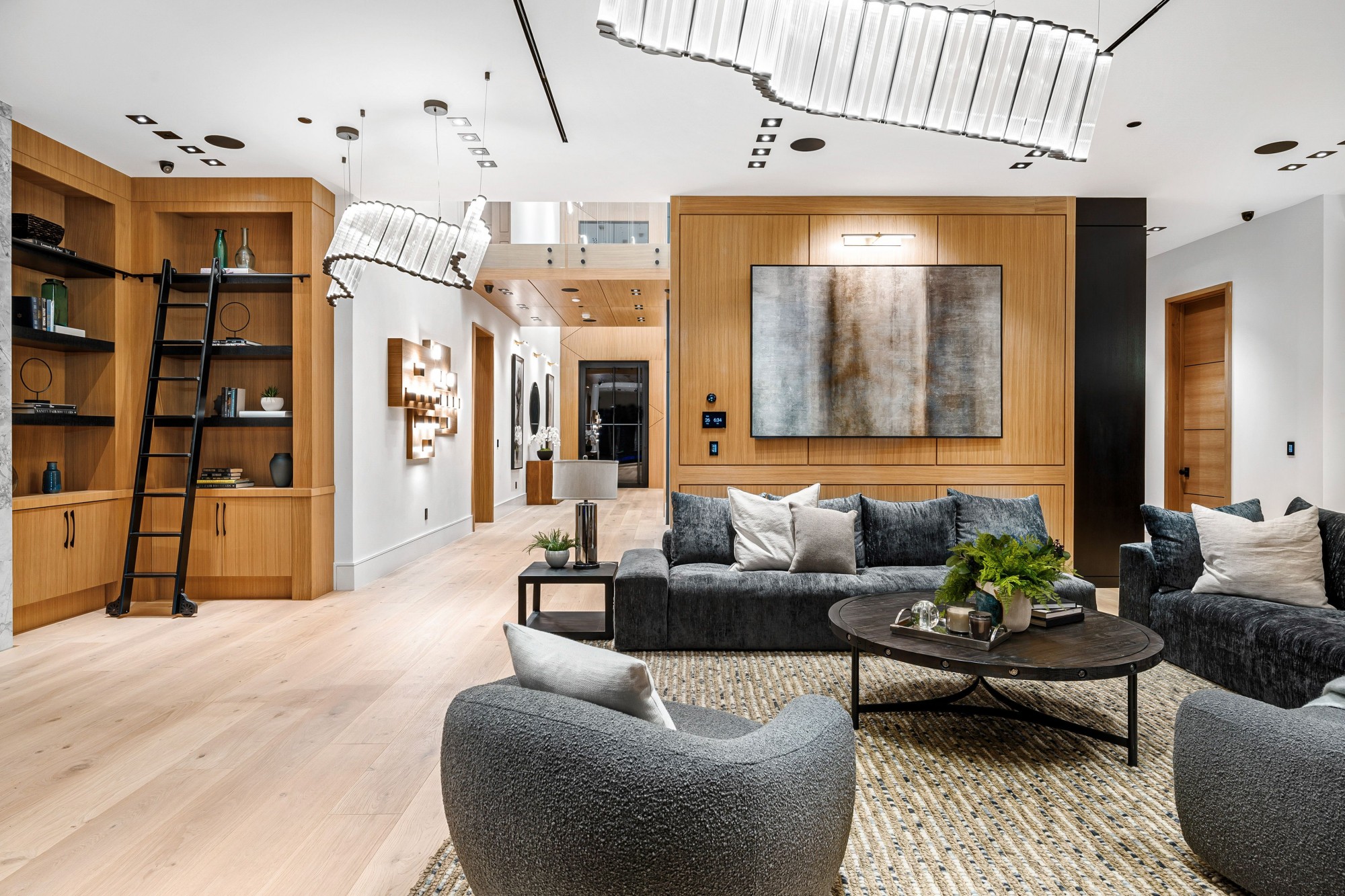
Condo boards and property managers know that common area renovations are never one-size-fits-all. Some upgrades are designed to impress immediately, while others must withstand years of heavy use. Recognizing this distinction is critical: a lobby that dazzles on opening day can quickly look worn if the flooring or finishes weren’t chosen for the traffic they’ll endure.
Let’s explore how condo common area renovations can deliver instant visual appeal and long-term durability, ensuring spaces remain attractive and functional for years.
Quick Upgrades That Deliver Immediate Visual Impact
Certain improvements deliver quick results and are noticed right away. Some of these are lighter-touch upgrades rather than full-scale renovations, but they’re often included within the scope of condo common area renovations because they support the same visual goals.
- Lighting: Modern fixtures brighten corridors and lobbies, improving safety and ambience.
- Lobby/Reception: Updated desks and seating areas convey professionalism and care.
- Mailroom: Clean layouts and durable finishes make everyday resident interactions smoother.
- Signage: Clear, stylish signs help residents and visitors navigate the space and reinforce a building’s identity.
These upgrades are straightforward, highly visible, and set the tone for the rest of the property.
The rise of remote work has compounded the problem. When a condo was never designed with a dedicated office zone in mind, carving out a functional workspace within an already compact layout means something else has to give.
Flooring Choices That Withstand Heavy Traffic
Corridor and lobby floors endure constant movement, deliveries, and rolling carts. Choosing the right material is critical because it determines how the space will look and perform years down the line.
Commercial-grade LVT (luxury vinyl tile) is engineered for resilience, resisting scuffs and scratches while remaining easy to maintain. Porcelain tile offers unmatched durability and moisture resistance, though installation costs are higher. Residential-grade flooring, while attractive initially, tends to fade and chip under the demands of shared spaces.
Boards that evaluate flooring based on lifecycle performance rather than initial price often save significantly in the long run. A modest increase in upfront investment can prevent premature replacement and keep common areas polished for years.
Wall Finishes That Resist Wear
Walls in shared corridors are exposed to constant contact from luggage, carts, and daily traffic. Standard paint rarely holds up in these conditions. More durable solutions include:
- Scuff-Resistant Coatings: Designed to withstand repeated contact without visible damage.
- Wall Protection Systems: Panels or rails that shield vulnerable areas.
- Washable Finishes: Allow maintenance teams to clean marks without repainting.
These finishes extend the lifespan of corridor walls and reduce ongoing maintenance costs, keeping spaces fresh and professional.
Professional teams coordinate directly with building management to schedule trades within permitted noise hours, managing elevator access throughout the project. That level of logistical coordination protects the timeline and the building’s common areas. Premium materials and precise craftsmanship also contribute to measurable equity gains for units in competitive downtown markets.
Fitness and Gym Area Finishes
Fitness spaces are among the toughest environments for any finish, and the wrong materials show quickly. Key upgrades often include:
- Rubber Flooring: Absorbs impact, protects the slab beneath treadmills and free weights, and stands up to dropped dumbbells and daily cleaning.
- Moisture-Resistant Wall Finishes: Stand up to humidity and frequent wipe-downs without peeling or staining.
- Commercial-Rated Coatings: Hold their finish under constant traffic where residential-grade products fade and scuff quickly.
The goal is to create a fitness area that looks polished while standing up to the intensity and maintenance demands of daily resident use.
Lounge and Amenity Furniture
Lounge furniture faces constant turnover, and the difference between commercial and residential grades shows quickly. Commercial-grade furniture is built with high-density foam, reinforced frames, and stain-resistant fabrics that survive years of shared use, while residential pieces might sag and stain within a season or two. Choosing heavier-duty seating and tables is a great way to keep the lounge looking inviting long after the warranty period ends.
Why a Strong Plan Includes Impact and Durability
Renovation plans that focus only on visual upgrades risk early deterioration. Spaces may look polished at unveiling but quickly show wear if materials weren’t chosen for traffic. Conversely, durability-only plans can keep structures intact but fail to improve resident perception or curb appeal.
Successful condo common area renovations integrate both: immediate visual impact and long-term resilience. They are two sides of the same plan, not competing priorities.
Plan Your Condo Common Area Renovations With RezTorIt
A successful condo common area renovation comes down to choosing a partner who understands the visual and durability aspects of the work and can deliver on both. At RezTorIt, we bring over 30 years of combined experience managing projects for condo corporations across Toronto with precision and care. Our team handles everything from board approvals to material selection, ensuring compliance with building codes and bylaws while delivering spaces that impress and endure. We offer an integrated design-build process that provides one point of contact, seamless communication, and a comprehensive warranty on craftsmanship.
Whether you’re upgrading a lobby, corridor, or amenity space, we scope projects with visual impact and long-term durability in mind from day one. Call our Toronto office at +1 (888) 202-4143 or fill out our contact form to start planning your condo common area renovations.
FAQs
How long do condo common area renovations usually take?
Timelines depend on scope, but most projects are phased so residents can keep using the building throughout. A lobby refresh might take a few weeks, while corridor and amenity work can span several months.
Can common area renovations happen while residents are living in the building?
Yes, and in occupied condos it is the standard approach. Experienced contractors contain dust and noise, reserve service elevators in advance, and keep disruptive work to off-peak hours so daily life continues uninterrupted. Read our guide to learn more about how contractors help minimize disruptions during condo common area renovations.
What is the difference between commercial- and residential-grade materials?
Commercial-grade materials are tested for heavier traffic and more frequent cleaning than residential products. They carry higher wear layer and abrasion ratings and reinforced construction, so they cost more upfront but last years longer in shared spaces.
How should a condo board budget for common area renovations?
Most boards fund major common area repairs and component replacements through a reserve fund. Under Ontario’s Condominium Act, corporations must conduct periodic reserve fund studies to ensure adequate funding for future projects. To manage cash flow and minimize resident disruption, boards often work with their project managers to phase large renovation scopes across multiple budget cycles.
Tags :

The RezTorIt Team provides practical renovation and restoration insights for homeowners, property managers, and condo corporations across Toronto and the GTA. Their content focuses on quality craftsmanship, smart design, project planning, and creating spaces that are built to last.